
When the Microsoft Student Ambassadors program reached out to CRES for an expert voice on IT project management, there was one obvious choice: Katembo Kaniki Joseph, Program Manager and one of the driving forces behind CRES’s digital initiatives. What followed was a rich, interactive session that gave students a direct window into how real technology projects are planned, managed, and delivered.
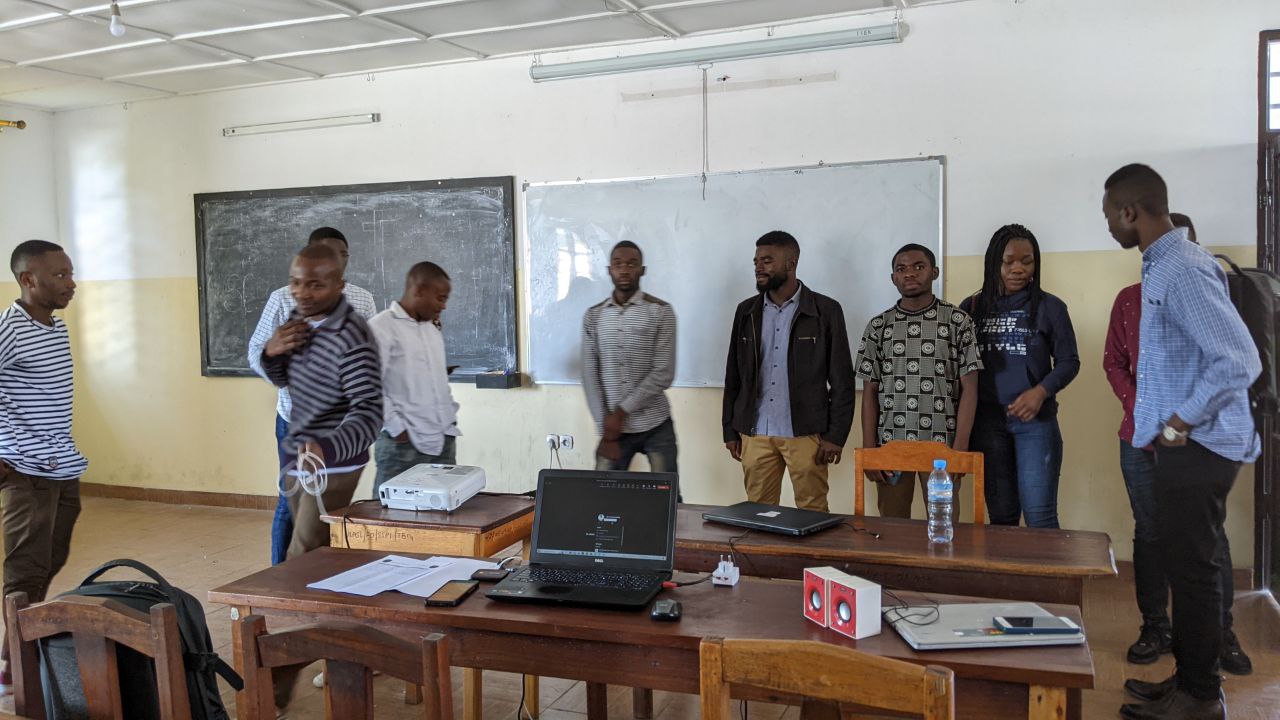
Why This Invitation Mattered
Being invited to speak at a Microsoft-affiliated event is a recognition of expertise and credibility. For CRES, it was also an opportunity to extend the organization’s impact beyond its direct programs — sharing hard-won knowledge from years of managing information systems, data platforms, and software development initiatives with the next generation of technology professionals.
Katembo Kaniki Joseph brought more than slides to the session. He brought field experience: the lessons learned from running complex digital projects in challenging environments, making decisions under uncertainty, and leading teams toward successful delivery.
The Core of the Presentation
The session was structured around the fundamentals that every aspiring IT professional needs to understand. Katembo began by addressing a question many students overlook: why does project management matter? Beyond timelines and budgets, project management is about creating the conditions for a team to do its best work — clearly, collaboratively, and consistently.
From there, he walked through the essential concepts: the definition of a project, the triple constraint (scope, time, and cost), and the specific requirements that make IT projects unique. He outlined the main phases of a project lifecycle and explained how success is measured — not just at delivery, but across every stage of the process.
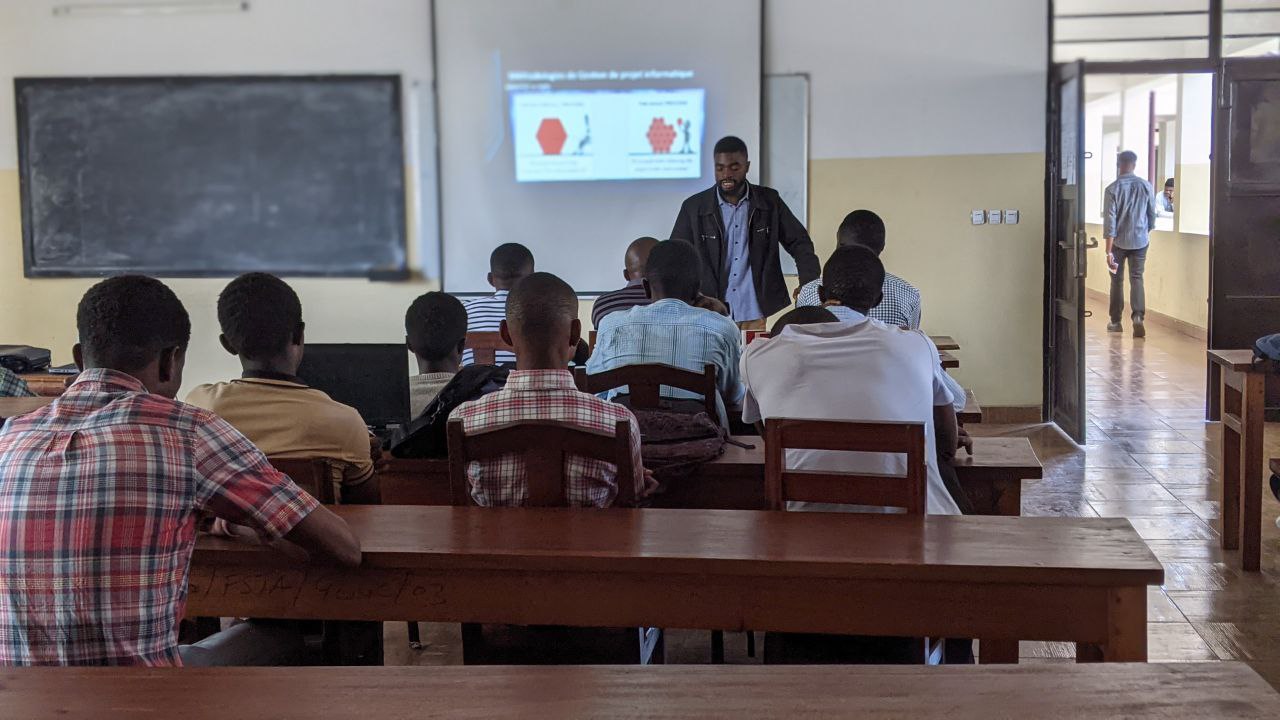
Teams, Tools, and Real Workflows
A major highlight of the session was the practical focus on how IT projects actually work — not in theory, but in practice. Participants learned about the different roles and levels of responsibility within a project team, from developers and designers to project owners and stakeholders. Katembo introduced key methodologies and industry-standard tools used to manage modern software projects, and walked the audience through a real end-to-end project workflow.
Students were given the kind of grounded, practical knowledge that most university curricula don’t provide — the kind that comes from having actually shipped projects.
An Interactive Exchange
The session was far from a one-way lecture. Students came with real questions, and Katembo engaged with each one directly — drawing on concrete examples from CRES’s own project history to illustrate points, challenge assumptions, and show how theory translates into decisions made under real pressure.
That kind of honest, experience-based dialogue is rare in academic settings. For many participants, this session offered a glimpse of what a career in IT management truly looks like — and what it takes to do it well.
CRES and the Broader Tech Ecosystem
CRES’s participation in the Microsoft Student Ambassadors event reflects the organization’s broader ambition: not just to run programs internally, but to contribute actively to the regional technology ecosystem. By sharing expertise with student communities, CRES helps build a stronger, better-prepared generation of tech professionals — many of whom may one day collaborate with, work for, or be inspired by initiatives like the Ujuzi Program or the partnerships CRES continues to build across the continent.